
Blog

  • Why Off-Duty Injuries Are the #1 Coverage Gap for Volunteer Departments

    Why Off-Duty Injuries Are the #1 Coverage Gap for Volunteer Departments

    Volunteer responders do not stop being members of their departments when a call ends. Their insurance protection, however, often does. That mismatch is one of the most common—and costly—gaps we find during coverage reviews.

    Where the Gap Begins

    Workers’ compensation and many state-sponsored programs are tied to a covered activity. An injury at home, during travel, or at a community event may fall outside that definition even when it keeps a key responder away from duty for months.

    What Departments Should Review

    A useful review starts with the roster, not the policy jacket. Confirm who qualifies, when coverage applies, and how benefits coordinate with other insurance.

    • The definition of a covered member
    • On-duty and off-duty benefit triggers
    • Weekly disability and medical expense limits
    • Exclusions for common volunteer activities

    Closing the Gap Before a Claim

    Group accident, sickness, critical illness, and life products can work together to protect members beyond the emergency scene. The right combination depends on roster size, employment mix, and the benefits already available to each member.

    Document the final structure in plain language and review it with the board annually. Members should know what is—and is not—covered before they need to file a claim.
  • Apparatus Replacement Value: What ‘Actual Cash Value’ Really Costs You

    Apparatus Replacement Value: What ‘Actual Cash Value’ Really Costs You

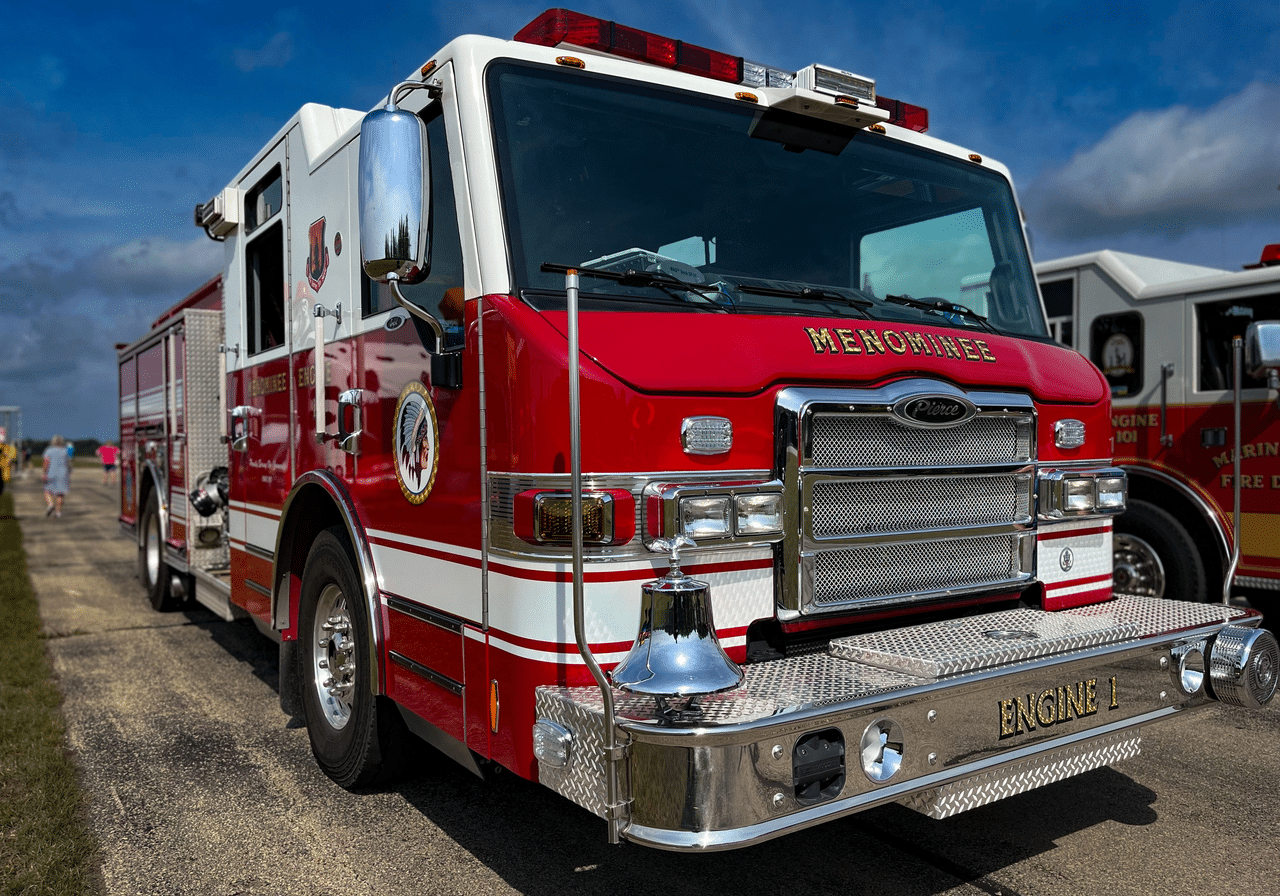
    A totaled apparatus creates an operational crisis before the claim calculation even begins. If the policy pays a depreciated value, the department may discover that its settlement cannot purchase a comparable replacement.

    Actual Cash Value Versus Agreed Value

    Actual cash value generally starts with replacement cost and subtracts depreciation. Agreed value establishes a scheduled amount with the carrier when the policy is written, giving the department a clearer expectation after a covered total loss.

    Why Apparatus Values Drift

    Custom equipment, supply constraints, and longer build times can move replacement prices quickly. Values set several renewals ago may no longer reflect the cost of a comparable unit.

    • Review every scheduled unit at renewal
    • Include permanently mounted equipment
    • Document recent upgrades and refurbishments
    • Compare values against current vendor estimates

    Make the Decision Before the Loss

    Valuation is not a detail to settle after a claim. Boards should understand the method, scheduled amount, deductible, and replacement timeline while options are still available.

  • ISO Credit, Free Training, and the Cycle That Lowers Premiums

    ISO Credit, Free Training, and the Cycle That Lowers Premiums

    Training creates value long before renewal. It builds safer habits, gives leaders better documentation, and helps departments demonstrate that risk management is an active operating practice.

    Training Is Part of the Risk Program

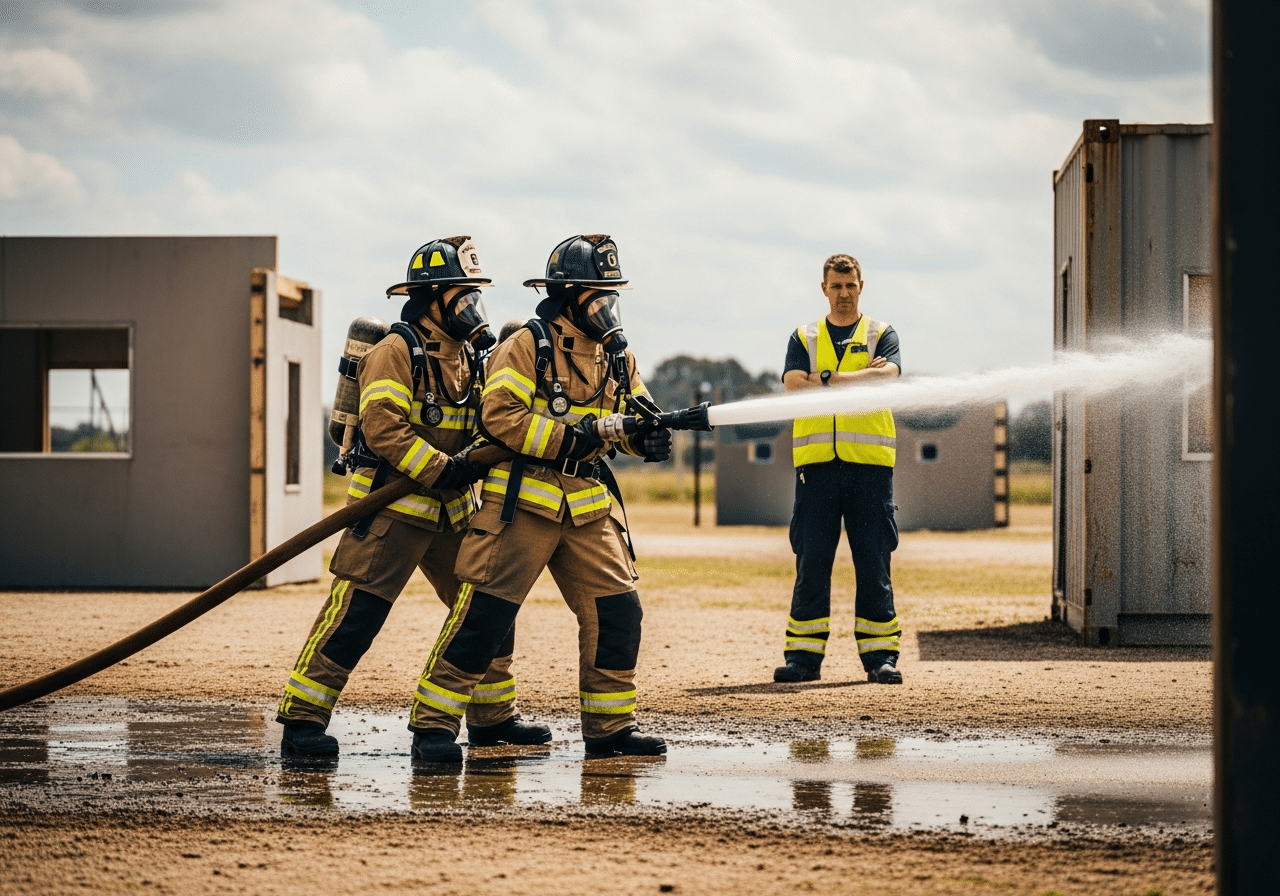
    Driver, apparatus, leadership, and safety courses address the behaviors behind many preventable losses. Consistent participation also gives a department a record of the steps it takes to protect members and the public.

    Turn Coursework Into Documentation

    The course itself is only half the work. Departments should maintain a simple training record that connects attendance, competencies, and follow-up actions.

    • Assign courses by role
    • Track completions and expiration dates
    • Record practical evaluations
    • Review trends after incidents and near misses

    Build a Repeatable Cycle

    Use renewal preparation as a checkpoint: review losses, identify training priorities, assign coursework, and bring the results into the next coverage conversation. Over time, that cycle can support both stronger performance and a better insurance story.